 ™
High Republic
Start with Star Wars: The High Republic for Jedi at their most adventurous—and a golden era under pressure.
|
||||||
|
A spoiler-filled screen and comics guide Star Wars as a Stellar Life CycleA cosmic guide to a galaxy that gathers pressure, collapses into darkness, scatters, and finds new light. 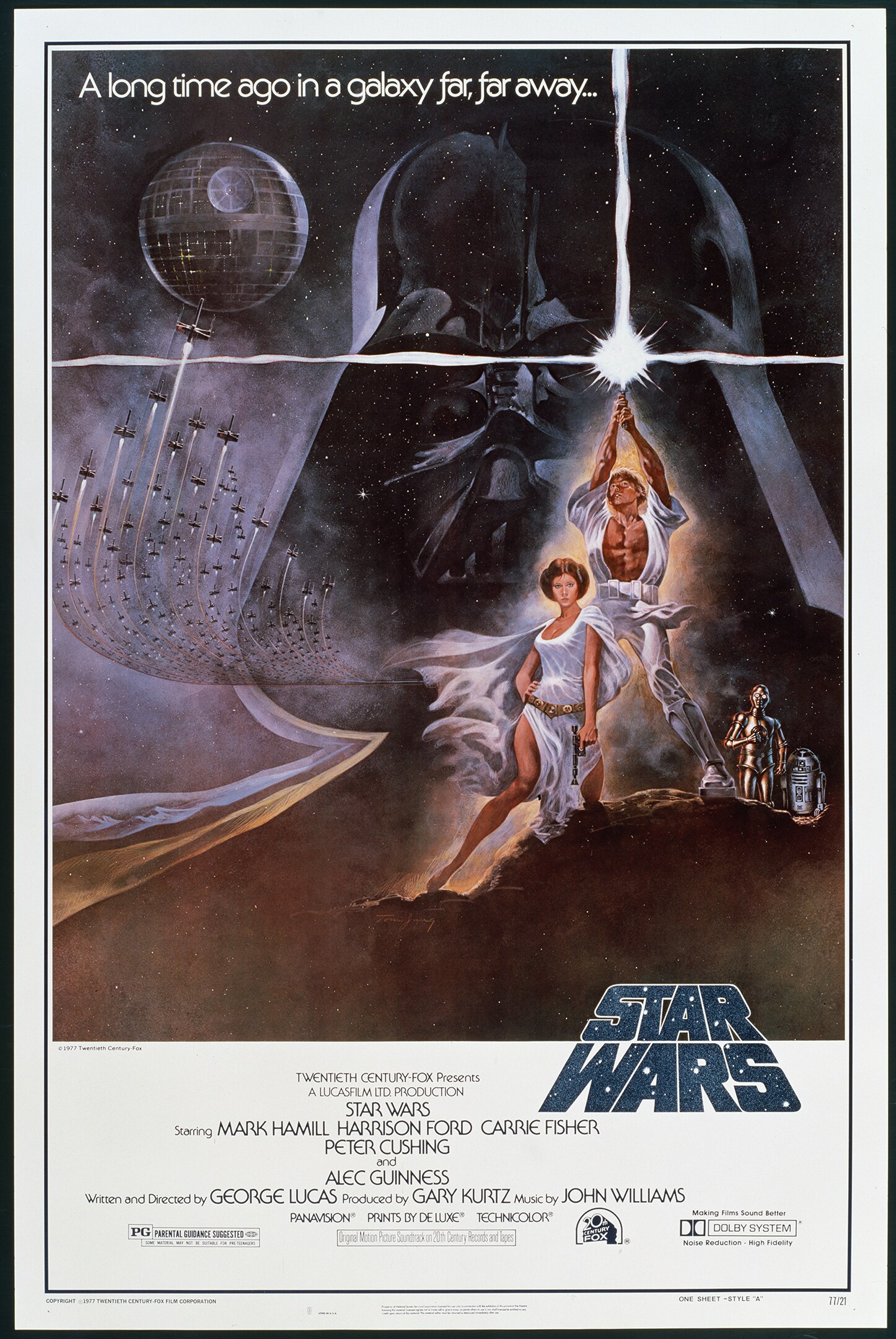
Star Wars has always looked to the sky: twin suns, moons, asteroid fields, superlasers, and planets close enough to touch. That makes astronomy a surprisingly good way to read its history. Not literally—the Force has never required a physics degree—but as a lens. Across the screen stories, calm gathers hidden pressure; institutions implode; people survive the debris; and a new generation discovers that light can return. Here is the primary Star Wars screen chronology through that cosmic lens, with comic-book detours for every kind of fan. At a glance The galaxy’s stellar mapBBY means “Before the Battle of Yavin”; ABY means “After the Battle of Yavin.” The three Tales anthologies span several periods, so they are best treated as orbiting the era of each individual episode. c. 132 BBYHigh RepublicMolecular cloud 32–19 BBYFall of the JediCore collapse 19–0 BBYImperial ruleNeutron-star gravity 0–4 ABYGalactic Civil WarEvent horizon c. 9 ABY+New RepublicExpanding nebula 34–35 ABYFirst OrderWeaponized pulsar UnfixedVisions futureNew protostar
1 · Canon · High Republic A molecular cloud full of promiseThe galaxy looks calm. Deep inside, the conditions for change are already gathering. The High Republic is an age of confidence for the Jedi and the Republic: the Order is visible, respected, and actively reaching into the frontier. But peace is not the same as safety. Set roughly a century before The Phantom Menace, The Acolyte turns a murder investigation into an examination of old wounds, institutional blind spots, and secrets that will not stay buried. That makes this era a molecular cloud: a vast stellar nursery that can look quiet from afar while gravity quietly pulls matter into something transformative. It is not simply the “good old days”; it is a bright period in which the fault lines are still easy to miss.   2 · Canon · 32–19 BBY When a bright star collapses at its coreThe tragedy of the prequels is not one sudden explosion. It is a system failing from the inside. The Republic still looks stable when Anakin Skywalker is discovered on Tatooine. The Senate debates procedure; the Jedi have the stature to believe they can contain every crisis. Meanwhile, Palpatine converts fear, war, and institutional complacency into the machinery of a coup. From The Phantom Menace through Revenge of the Sith, and especially in The Clone Wars, the core of the Republic is losing stability. The Clone Wars create heat, turbulence, and division; Order 66 is the catastrophic collapse that turns a democracy into an Empire. Anakin’s fall is the human-scale version of the same disaster.  3 · Canon · 19–0 BBY Neutron-star gravity and the heat of resistanceThe Empire is not simply an enemy government; it is a force of compression. Think of the early Empire as a neutron star: an impossibly dense remnant whose gravity reshapes everything around it. Clone troopers are discarded by the regime in The Bad Batch; smugglers, syndicates, and survivors work the margins in Solo; Obi-Wan hides; and ordinary people discover that private compromise can become resistance in Andor. At the edge of that heavy core spins an accretion disc—matter moving fast, colliding, and heating up. This is where Andor and Star Wars Rebels operate as parallel paths toward the Alliance. The Rebellion is not born in one heroic blast. It is assembled from countless acts of refusal. 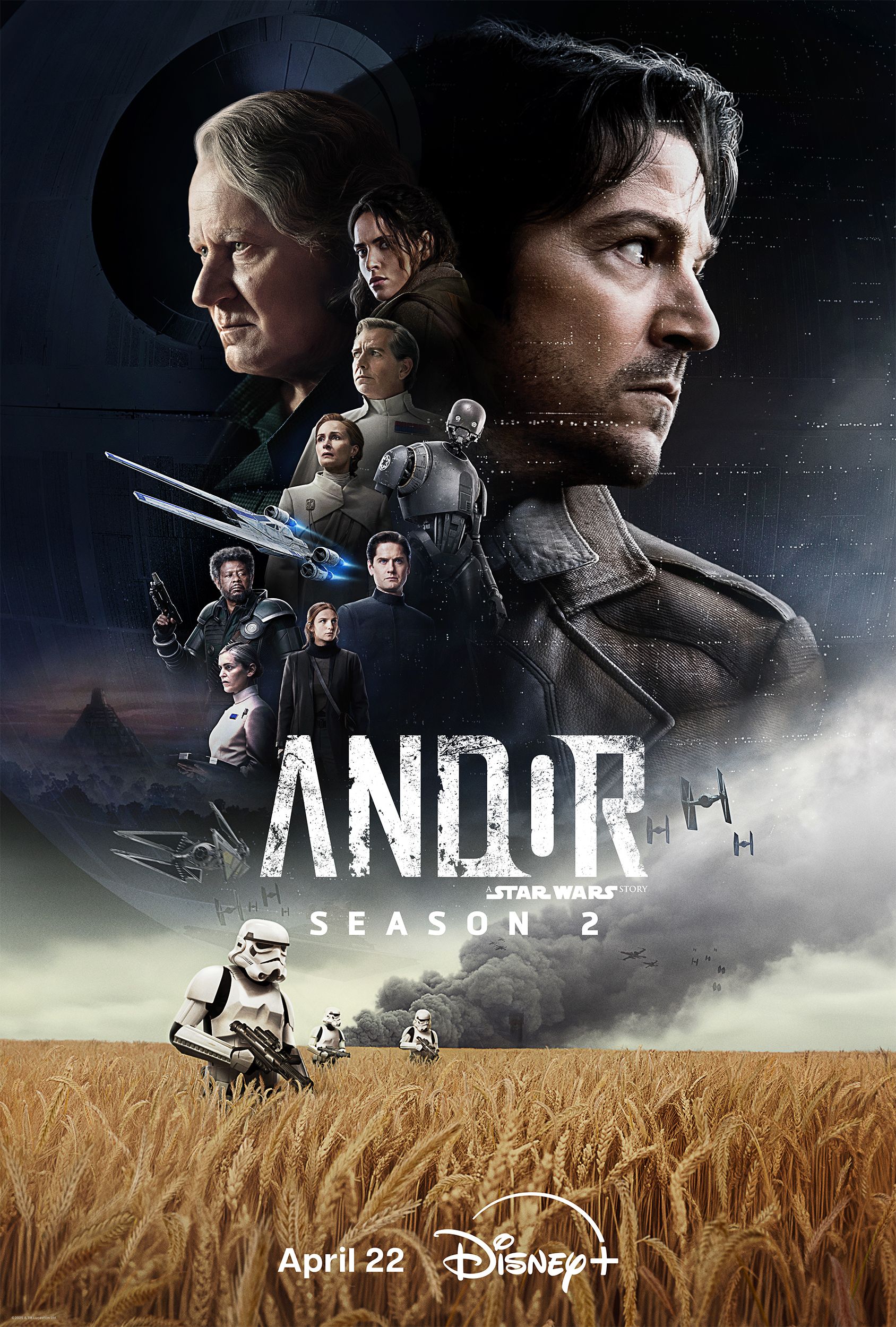 4 · Canon · 0–4 ABY Crossing the event horizonThe Empire feels inescapable—until people refuse to accept inevitability. Rogue One hands directly into A New Hope: the Death Star plans reach Leia’s ship, and a small act of sacrifice becomes the opening move of a war. For the Rebel Alliance, the Empire is an event horizon. Alderaan is destroyed, Han is frozen in carbonite, and Luke learns the truth about Vader. Even victory at Yavin feels temporary because Imperial power still dominates the galaxy. But this trilogy’s light comes from people who refuse the conclusion they are given. Luke does not win through raw power alone; he believes there is still something of Anakin inside Vader. At Endor, that choice helps overthrow Palpatine’s visible regime—an enormous victory, even though later stories reveal that the Emperor’s influence has not vanished forever.   5 · Canon · c. 9 ABY onward An expanding nebulaAn empire may shatter, but its material does not simply disappear. After Endor, the Empire leaves warlords, abandoned weapons, displaced people, and worlds that have learned not to trust distant governments. This era resembles an expanding nebula: the old star is gone, but its material remains scattered across space. Some of it cools into new systems; some stays dangerous. The Mandalorian, The Book of Boba Fett, Ahsoka, and Skeleton Crew explore that unsettled frontier from different angles: bounty hunters becoming guardians, crime lords attempting to rule, former Jedi searching for lost allies, and children discovering that adventure can be perilous. The Mandalorian and Grogu carries the era into its newest cinematic chapter.  6 · Canon · 34–35 ABY A weaponized pulsarA regular beam becomes terrifying when its purpose is to erase a world. Decades after Endor, the First Order rises from Imperial remnants and feeds on the New Republic’s failures. Starkiller Base harvests the energy of its system’s star before firing a hyperspace beam capable of destroying distant worlds. It is spectacle turned into terror. A pulsar is a spinning neutron star whose beams sweep across space with clockwork regularity. The First Order twists that image into a militarized signal of authoritarian violence. Rey’s story gives the era its counterpoint: a scavenger becomes a student of the Force while Finn, Poe, Leia, Kylo Ren, and the Resistance fight over what the galaxy will be next. 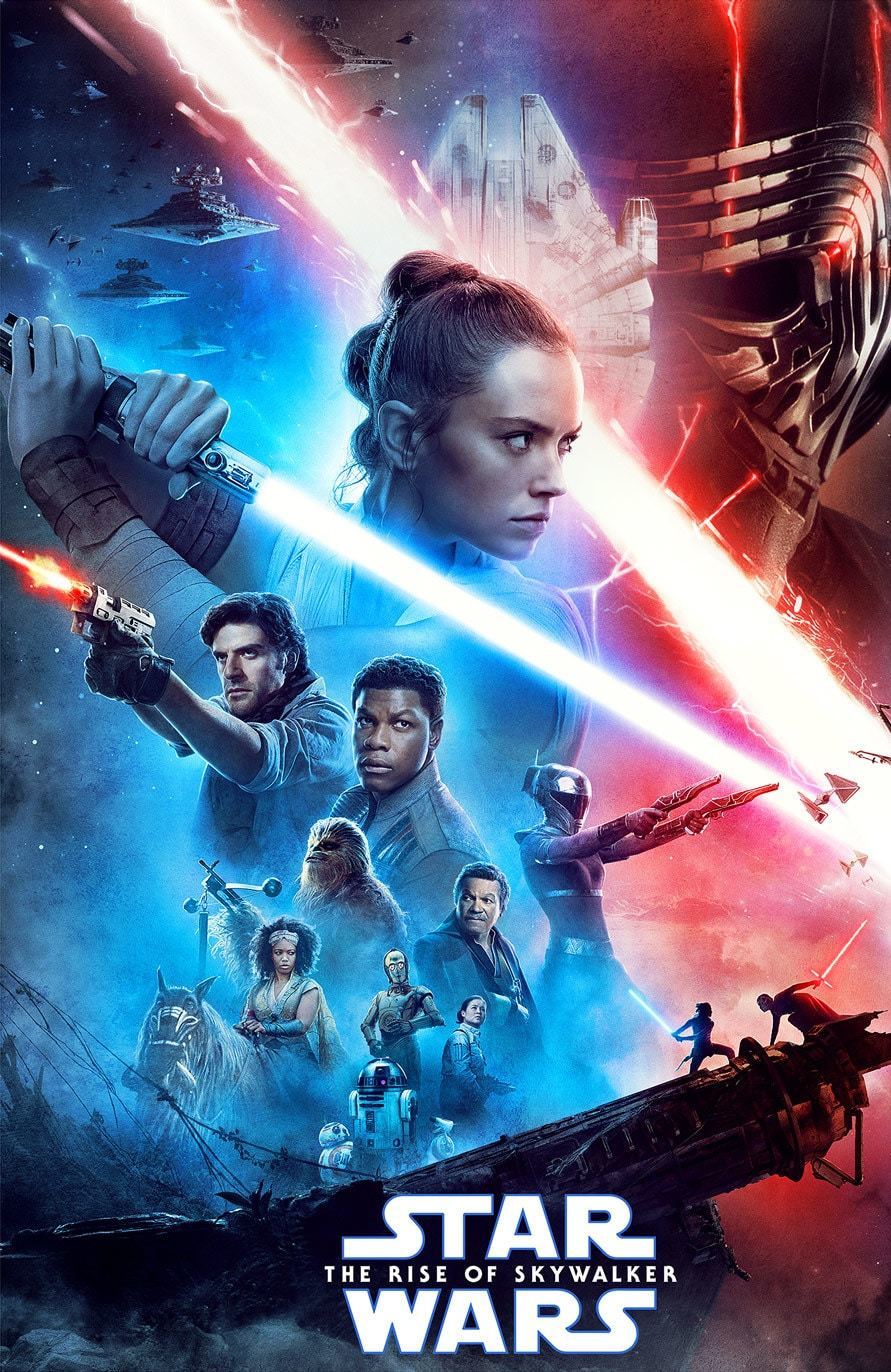 7 · Visions continuity · Future-set coda The Ninth Jedi re-ignites the lightThis is where the map deliberately opens beyond the primary timeline. Star Wars: Visions is official Star Wars storytelling, but it is not placed on Lucasfilm’s primary chronological watch guide. Its creators can reshape the mythology, aesthetics, and even the rules around the Force. That freedom is a feature, not a flaw. “The Ninth Jedi” began as a standout Visions short, continued in “The Ninth Jedi — Child of Hope,” and now expands into Star Wars: Visions Presents — The Ninth Jedi. Kara moves through a distant future long after the fall of the Sith, in a galaxy where the Jedi Order has faded but hope of renewal remains. Here, blade colours react to a wielder’s alignment with the Force—an evocative idea for Visions, not a new rule for the main canon.  Shelf guide Your comic-shop reading orbitA good Star Wars shelf makes the continuity clear before it makes a recommendation. Use these routes to turn readers of the article into regulars at the rack. High RepublicStart with Star Wars: The High Republic for Jedi at their most adventurous—and a golden era under pressure. Prequel & Clone WarsGuide readers toward Anakin, Obi-Wan, Padmé, Ahsoka, and Clone Wars stories; identify Legends volumes clearly. Imperial eraDarth Vader, Doctor Aphra, and the flagship Star Wars series bring the pressure of the Empire to the page. Original trilogyFor the cleanest next step after the films, recommend canon series set between The Empire Strikes Back and Return of the Jedi. Sequel eraThe Rise of Kylo Ren gives readers a focused route into the fall of Ben Solo and the era’s fractures. Beyond canonKeep Visions separate from both Canon and Legends. It is the shelf for readers who want bold alternate skies. The Force may bind the galaxy together, but stories give it shape. Start in the High Republic’s golden glow, the ash of the Empire, or the distant promise of The Ninth Jedi: there is always another world to discover. Sources and artwork creditsTimeline and continuity framing have been checked against current official Star Wars and Marvel references. External artwork is included here as a layout-ready editorial visual draft; retain its credit and replace it with self-hosted, approved artwork before publishing if your licence or supplier agreement requires that.
|
||||||
|
||||||
|
|